Bhutan Himalayan Bliss Tour – 7N / 8D
Duration
 Leading Travel Agency in Tamil Nadu | Tailor-Made Tours, Corporate, Family & Spiritual Trips!
We design fully customized India tours tailored to your travel style, budget and comfort.
Find My Trip?Customized international tours with seamless planning and trusted support from BigBoy Holidays.
Find My Trip?

We design fully customized India tours tailored to your travel style, budget and comfort.
Find My Trip?Customized international tours with seamless planning and trusted support from BigBoy Holidays.
Find My Trip?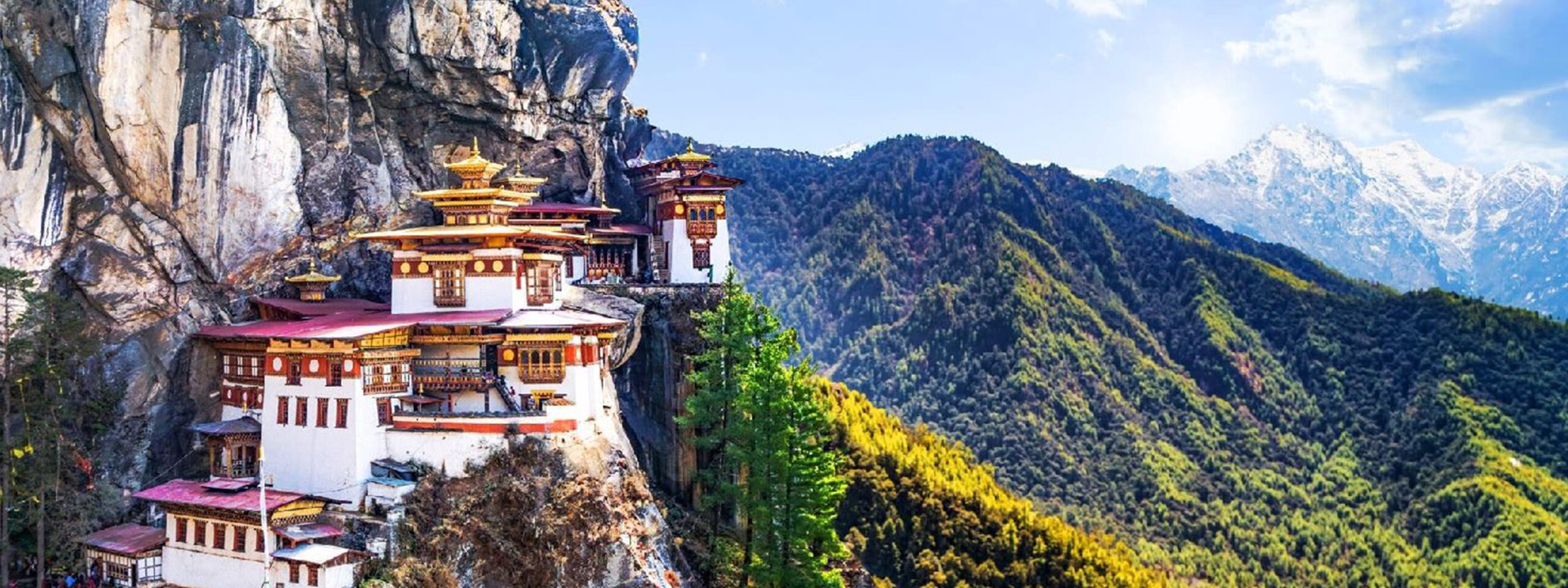
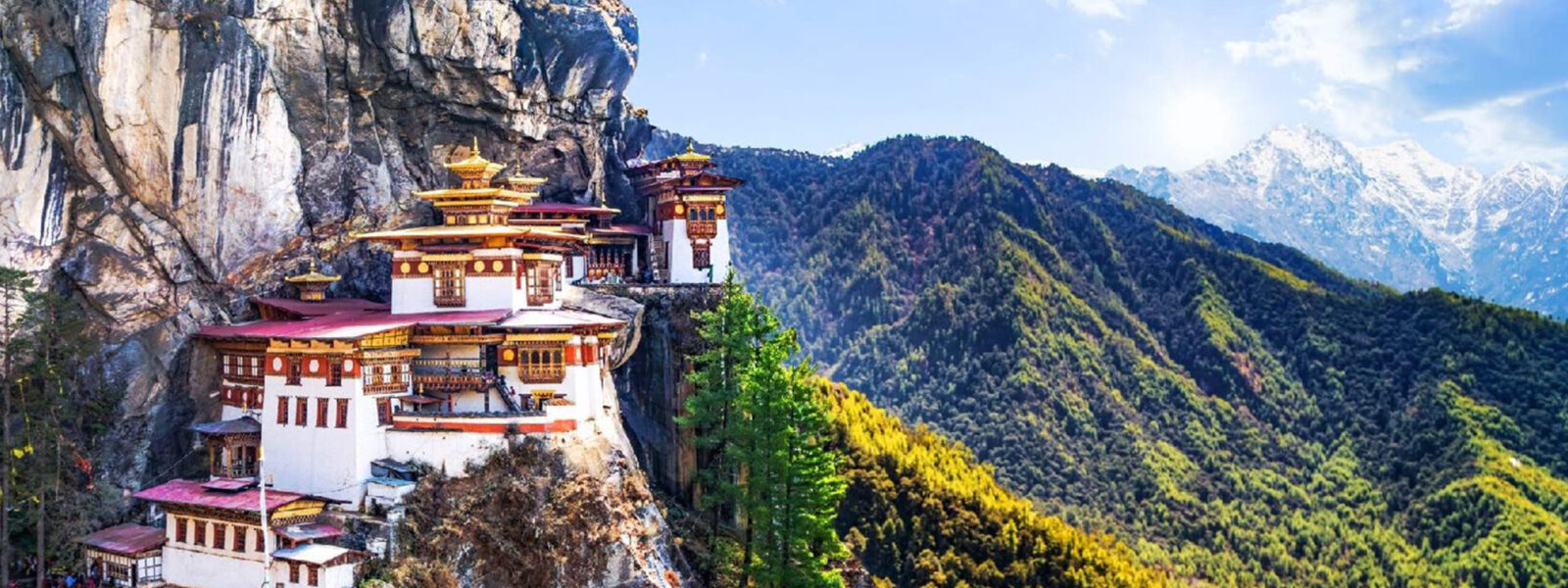
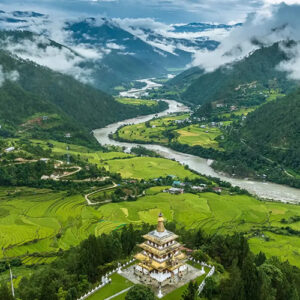
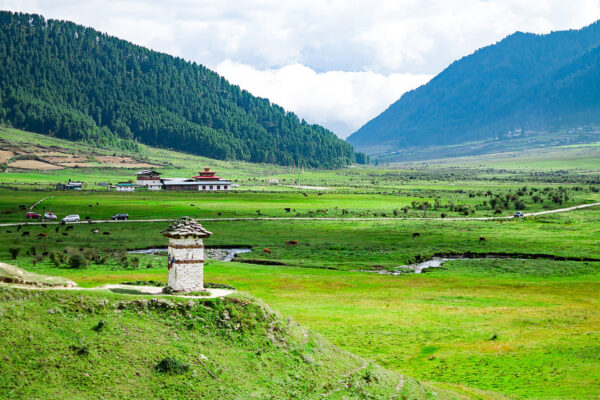
Paro serves as the primary international entry point into Bhutan and introduces travellers to the country’s traditional architecture, mountain landscapes, and serene atmosphere the moment they land between dramatic Himalayan peaks; the valley is home to historic dzongs, ancient temples, and scenic countryside dotted with farmhouses built in classic Bhutanese style, while the Paro River flows calmly through open fields creating postcard-worthy scenery that immediately sets the tone for a peaceful Himalayan journey.
Taktsang Monastery, famously known as Tiger’s Nest, clings dramatically to a cliffside 900 metres above Paro Valley and is considered Bhutan’s most iconic landmark; the hike to the monastery winds through pine forests decorated with prayer flags before opening to breathtaking views of the valley below, and upon reaching the monastery complex visitors experience not only architectural marvel but also deep spiritual energy that defines Bhutan’s cultural identity.
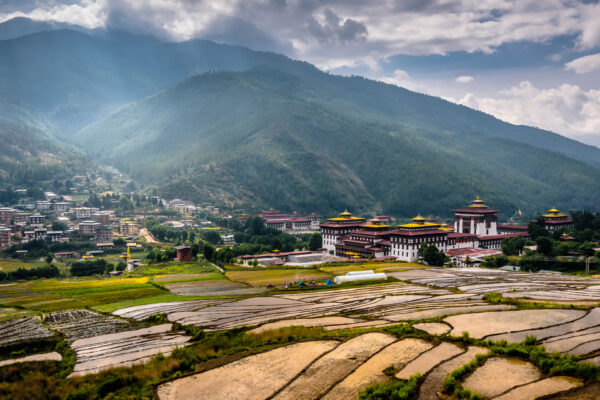
Thimphu, Bhutan’s capital city, blends modern administrative functions with preserved traditions, featuring grand monasteries, government buildings built in traditional style, and vibrant markets selling handicrafts and textiles; the massive Buddha Dordenma statue overlooks the valley while Tashichho Dzong serves as both monastic and administrative centre, making Thimphu a balanced destination of spirituality, governance, and local lifestyle.
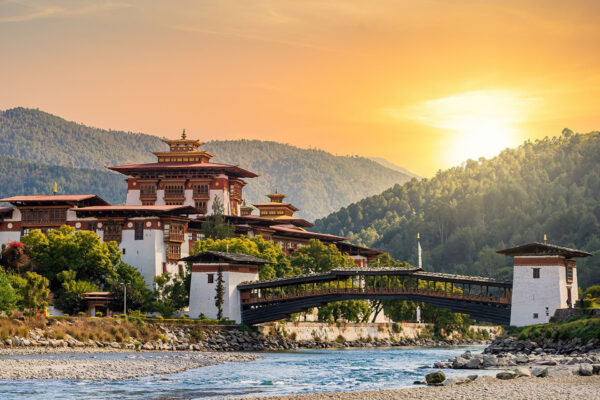
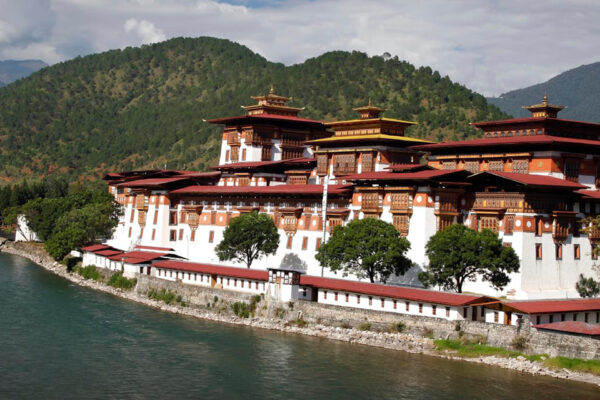
Punakha is known for its stunning dzong located at the confluence of the Pho Chhu and Mo Chhu rivers, creating one of Bhutan’s most photogenic settings; surrounded by fertile rice fields and jacaranda trees that bloom beautifully in spring, Punakha offers warmer climate compared to higher valleys and presents opportunities for riverside walks, suspension bridge crossings, and exploration of Bhutan’s former capital rich in royal history.
Dochula Pass connects Thimphu and Punakha through a scenic mountain drive that reveals panoramic Himalayan views on clear days, with 108 memorial chortens lining the pass creating a striking spiritual landscape; prayer flags flutter across ridgelines while snow peaks rise in the distance, making the pass not just a transit point but a destination of scenic contemplation and photography.
Phobjikha Valley is a glacial valley known for its wide open meadows and as the winter home of the endangered black-necked cranes migrating from Tibet; the valley’s peaceful atmosphere, traditional farmhouses, and limited commercial development create an authentic rural experience where travellers can enjoy nature walks, monastery visits, and birdwatching in pristine surroundings.
Gangtey Monastery overlooks Phobjikha Valley and represents one of Bhutan’s most important Nyingma institutions, offering travellers panoramic valley views combined with serene monastic architecture; the monastery’s elevated location enhances its spiritual presence while nearby trails provide opportunities for quiet exploration amidst alpine landscapes.
Bumthang consists of several valleys known for ancient temples, sacred sites, and rural charm, often regarded as Bhutan’s spiritual heartland where legends of Guru Rinpoche are deeply embedded in local folklore; orchards, buckwheat fields, and stone houses define the scenery, while temple visits allow travellers to explore Bhutan’s deeply rooted Buddhist heritage in peaceful surroundings.
Haa Valley remains one of Bhutan’s least visited regions, offering untouched landscapes, quiet monasteries, and scenic mountain passes ideal for travellers seeking isolation and authenticity; the valley’s simple village life and dramatic alpine backdrops create a deeply immersive Himalayan experience away from mainstream tourism circuits.
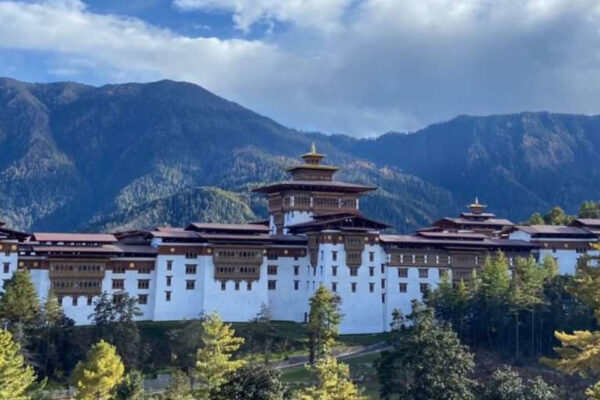
Dzongs are massive fortress-monastery complexes that serve administrative and religious purposes, built with whitewashed walls and intricately painted wooden balconies that dominate valley skylines; visiting dzongs across Paro, Thimphu, and Punakha reveals Bhutan’s architectural consistency and spiritual governance model that remains active even today.
Tsechu festivals are vibrant religious celebrations featuring masked dances, elaborate costumes, and ritual performances held within dzong courtyards, attracting locals dressed in traditional attire and offering travellers immersive cultural exposure; these festivals provide insight into Bhutanese mythology and community bonding practices that remain central to national identity.
Bhutanese cuisine is characterised by bold chilli flavours and traditional dishes such as Ema Datshi (chilli and cheese stew), red rice, and buckwheat-based meals served in farm-style settings; local dining experiences often take place in traditional wooden homes, offering insight into rural culinary practices and agricultural traditions unique to the Himalayan terrain.
Bhutan offers trekking routes ranging from moderate valley hikes to high-altitude adventures such as the Druk Path Trek, passing through alpine lakes, rhododendron forests, and remote monasteries; trekking experiences allow travellers to witness untouched landscapes, yak herders, and panoramic Himalayan ridges far removed from urban life.
Bhutan’s road journeys wind through river valleys, dense forests, and mountain passes offering continuous scenic views, making even travel days visually rewarding; careful pacing ensures comfort during longer drives while allowing stops at viewpoints and small villages to experience authentic rural life.
Traditional crafts such as thangka painting, wood carving, weaving, and mask-making are preserved through government-supported institutes and local artisan communities, offering travellers opportunities to observe skilled craftsmanship and purchase authentic souvenirs reflecting Bhutan’s cultural heritage.
Bhutan’s guiding philosophy of Gross National Happiness influences tourism by limiting mass development and promoting sustainable travel practices that protect environment, culture, and community wellbeing; this approach ensures that travellers experience unspoiled landscapes and preserved traditions rather than overcrowded commercial tourism zones.
Bhutan offers boutique lodges and luxury resorts set against mountain backdrops, combining traditional architecture with modern comfort, heated interiors, spa treatments, and panoramic balconies; these stays elevate the Himalayan experience while maintaining authenticity in design and hospitality.
Bhutan’s compact geography allows well-structured circuits connecting Paro, Thimphu, Punakha, and Phobjikha within manageable travel durations while maintaining altitude balance and scenic pacing.
| Circuit | Duration | Focus |
|---|---|---|
| Paro – Thimphu – Punakha | 5–6 Days | Classic Bhutan |
| Paro – Thimphu – Punakha – Phobjikha | 7–8 Days | Valley & Culture |
| Extended Bhutan Circuit | 9–10 Days | Complete Himalayan Experience |
With Bigboy Holidays, Bhutan becomes a thoughtfully paced Himalayan journey blending cliffside monasteries, pristine valleys, vibrant festivals, sustainable travel philosophy, and immersive cultural experiences, ensuring every traveller discovers the kingdom’s serenity, authenticity, and breathtaking natural beauty in comfort and depth.
The world's best experiences curated just for you
Have more questions? Contact us.