

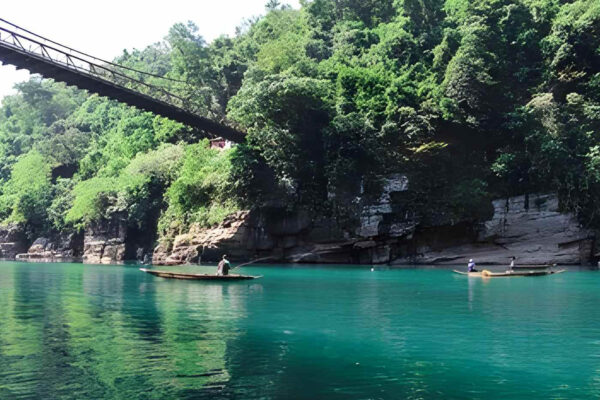
Assam & Meghalaya Tour Package – 3N / 4D
Duration
 Leading Travel Agency in Tamil Nadu | Tailor-Made Tours, Corporate, Family & Spiritual Trips!
We design fully customized India tours tailored to your travel style, budget and comfort.
Find My Trip?Customized international tours with seamless planning and trusted support from BigBoy Holidays.
Find My Trip?

We design fully customized India tours tailored to your travel style, budget and comfort.
Find My Trip?Customized international tours with seamless planning and trusted support from BigBoy Holidays.
Find My Trip?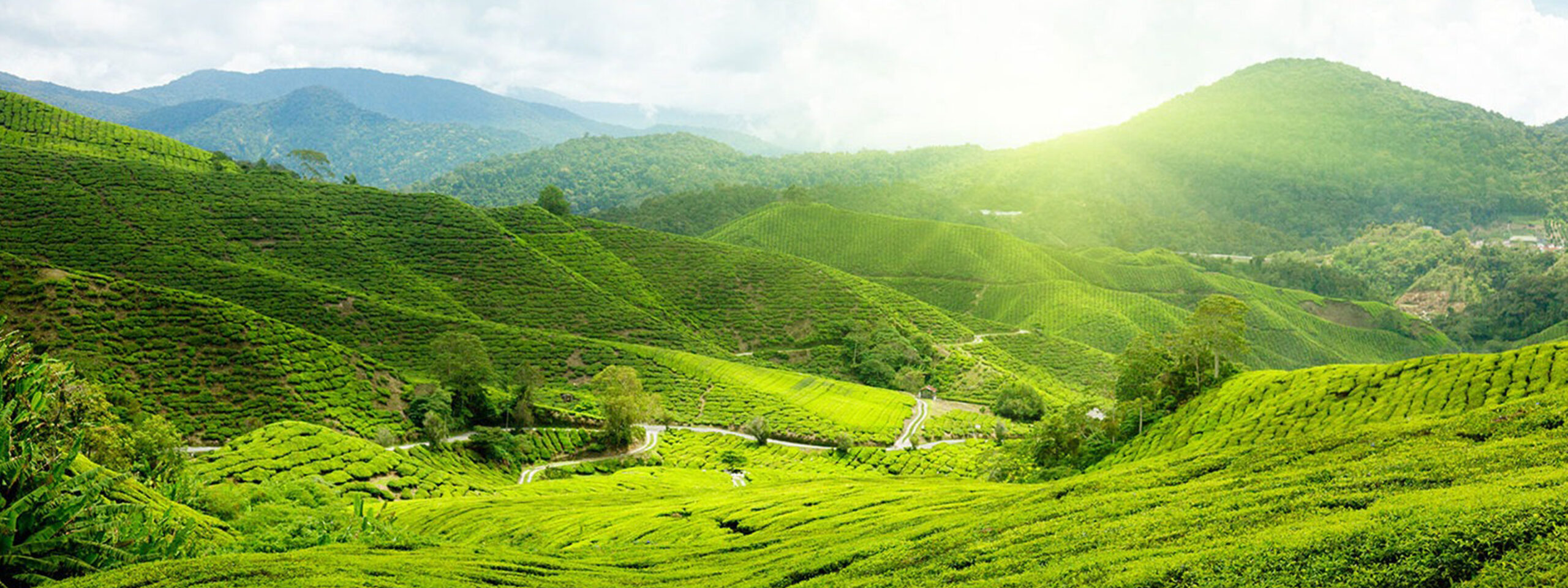
Kaziranga National Park is Assam’s most celebrated wildlife destination and a UNESCO World Heritage Site renowned for sheltering the largest population of the endangered one-horned rhinoceros, alongside wild elephants, swamp deer, Bengal tigers, and countless bird species; spread across vast grasslands, wetlands, and semi-evergreen forests shaped by the seasonal flooding of the Brahmaputra River, the park offers jeep and elephant safaris that allow travellers to explore different zones where sightings are frequent and landscapes shift dramatically from open savannah-like terrain to dense woodland corridors, making every safari drive visually dynamic and wildlife-rich, especially during early morning hours when mist rises from the grasslands creating cinematic scenery.
Majuli, located in the middle of the Brahmaputra River, is one of the world’s largest inhabited river islands and represents the spiritual and cultural heart of Assam’s Vaishnavite traditions; accessible by ferry from Jorhat, the island is dotted with satras (monastic institutions) that preserve ancient dance, music, mask-making, and manuscript traditions, while rural villages built on elevated bamboo platforms reflect sustainable riverine living, offering travellers a peaceful immersion into Assamese village life surrounded by expansive river horizons, migratory birds, and golden sunsets that stretch endlessly across the sky.
Guwahati, Assam’s largest city, serves as the entry point to Northeast India and combines spiritual landmarks with riverfront beauty and urban vibrancy; the revered Kamakhya Temple sits atop Nilachal Hill drawing pilgrims year-round, while river cruises along the Brahmaputra offer sunset views of distant hills and temple silhouettes, and local markets such as Fancy Bazaar showcase traditional silk, handicrafts, and Assamese cuisine, allowing travellers to balance heritage exploration with relaxed urban experiences within a compact and accessible city setting.
Kamakhya Temple is one of India’s most powerful Shakti Peethas and a deeply revered pilgrimage site dedicated to Goddess Kamakhya, attracting devotees and spiritual travellers seeking blessings and insight into ancient Tantric traditions; the temple’s hilltop location provides sweeping views of the Brahmaputra River below, while the annual Ambubachi Mela transforms the complex into a vibrant spiritual gathering marked by rituals, prayers, and colourful processions, offering visitors a culturally intense and spiritually meaningful experience rooted in centuries-old faith.
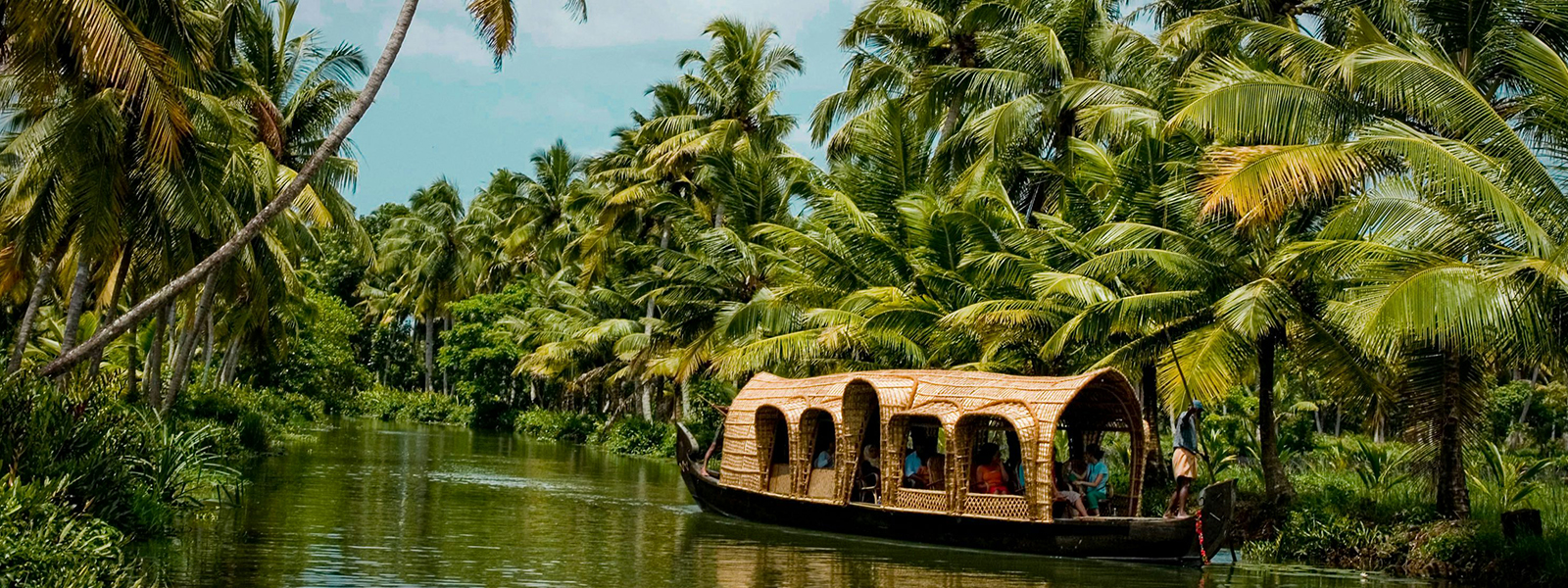
The Brahmaputra River, one of Asia’s mightiest rivers, shapes Assam’s landscape and offers luxurious as well as traditional river cruise experiences that combine wildlife viewing, village visits, temple excursions, and sunset dining on calm waters; multi-day cruises pass through river islands, sandbanks, and wetlands where dolphins occasionally surface, while onboard naturalists and cultural guides enhance understanding of Assam’s ecology and heritage, making river journeys both scenic and educational.
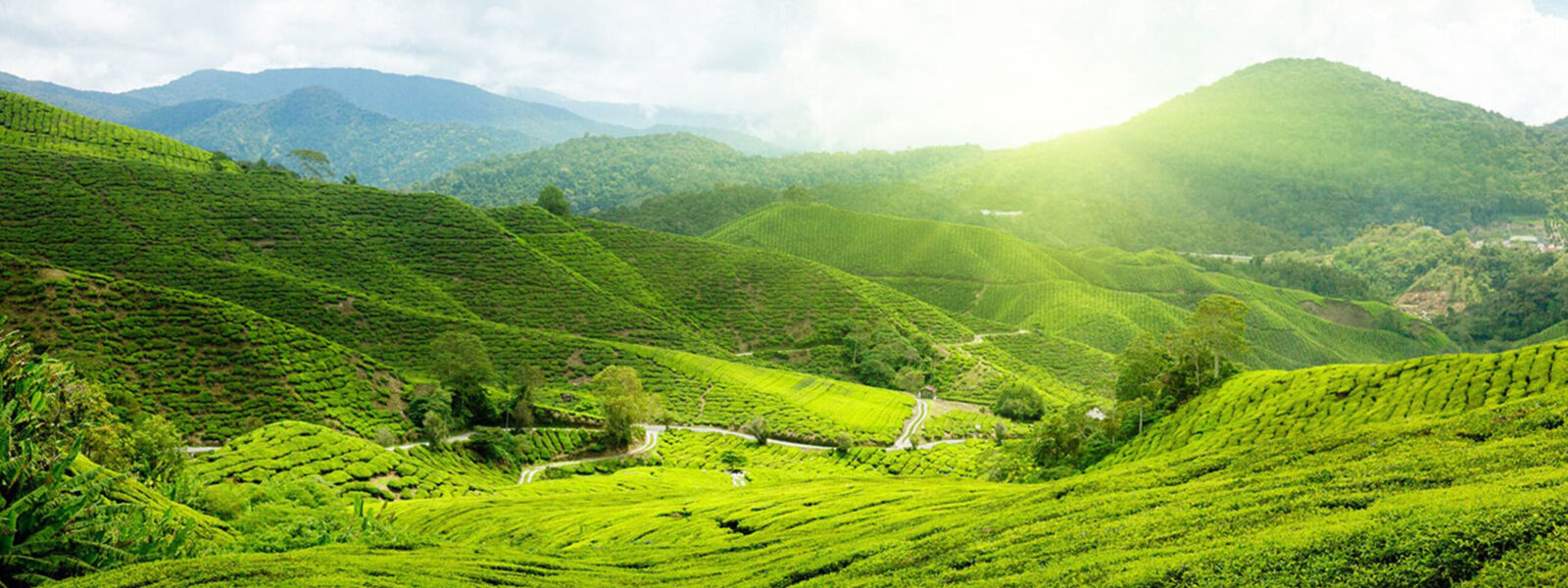
Assam’s globally famous tea estates stretch across rolling plains creating endless carpets of manicured greenery, where travellers can stay in heritage tea bungalows once occupied by British planters, walk through plantations to observe tea plucking processes, visit tea factories to learn about fermentation and grading, and enjoy freshly brewed Assam tea overlooking lush estates, providing a serene countryside escape that combines colonial history with agricultural immersion and scenic tranquillity.
Manas National Park, another UNESCO World Heritage Site, lies along the Bhutan border and offers a blend of grasslands, forests, and riverine ecosystems where rare species such as the golden langur, pygmy hog, and Bengal florican thrive; the park’s dramatic setting at the foothills of the Eastern Himalayas enhances its visual appeal, and jeep safaris through its quiet, less commercialised zones provide intimate wildlife encounters in pristine surroundings far removed from urban distractions.
Sivasagar reflects Assam’s royal past as the capital of the Ahom dynasty, featuring grand historical structures such as Rang Ghar, Talatal Ghar, and massive water tanks constructed centuries ago; exploring these monuments offers travellers insight into indigenous engineering skills and regional governance systems that flourished long before colonial rule, while the serene temple complexes and historical gardens create a calm yet culturally rich sightseeing experience.
Haflong, Assam’s only hill station, provides a refreshing highland escape surrounded by rolling hills, scenic lakes, and tribal villages, offering travellers cooler weather, hiking opportunities, and panoramic viewpoints; the town’s laid-back atmosphere, colourful local markets, and proximity to lush forests make it ideal for those seeking a quiet retreat within the northeastern landscape.
Assam is renowned for its unique silk varieties including Muga, Eri, and Pat silk, with traditional weaving villages producing intricate mekhela chadors and scarves using age-old techniques passed through generations; travellers visiting weaving centres can observe artisans at work, understand natural dyeing processes, and purchase authentic handcrafted textiles that represent Assam’s cultural identity.
Assamese cuisine is subtle yet flavourful, focusing on fresh ingredients, river fish, bamboo shoot preparations, and slow-cooked meats balanced with minimal spices; traditional thalis often include rice, dal, fish curry, mashed vegetables, and tangy chutneys, offering travellers a distinct culinary experience different from mainstream Indian flavours while reflecting the region’s agricultural abundance and riverine culture.
Assam’s wetlands and riverbanks attract migratory birds from Central Asia and Siberia, making it a paradise for birdwatchers who can spot storks, pelicans, hornbills, and rare waterfowl across protected sanctuaries and rural marshlands; guided birding tours enhance wildlife observation with ecological insights and responsible viewing practices.
Bihu, Assam’s most important festival, marks agricultural cycles and is celebrated with traditional dance, music, colourful attire, and community feasts that offer travellers an energetic cultural experience; visiting during Bihu allows immersion into local rhythms, drum performances, and open-air celebrations that reflect Assamese identity and rural pride.
Seasonal planning ensures optimal wildlife viewing and scenic comfort.
| Season | Months | Travel Experience |
|---|---|---|
| Winter | November – March | Best for safaris & sightseeing |
| Summer | April – June | Warm but manageable |
| Monsoon | July – September | Lush landscapes, limited safaris |
Assam’s destinations can be combined into seamless itineraries connecting wildlife, river cruises, spiritual landmarks, tea estates, and cultural heritage towns, ensuring a balanced exploration of nature and tradition within comfortable travel durations that allow scenic drives, guided experiences, and relaxed pacing throughout the journey.
The world's best experiences curated just for you
Have more questions? Contact us.