Delhi Discovery Tour Package – 3 N / 4 D
Duration
 Leading Travel Agency in Tamil Nadu | Tailor-Made Tours, Corporate, Family & Spiritual Trips!
We design fully customized India tours tailored to your travel style, budget and comfort.
Find My Trip?Customized international tours with seamless planning and trusted support from BigBoy Holidays.
Find My Trip?

We design fully customized India tours tailored to your travel style, budget and comfort.
Find My Trip?Customized international tours with seamless planning and trusted support from BigBoy Holidays.
Find My Trip?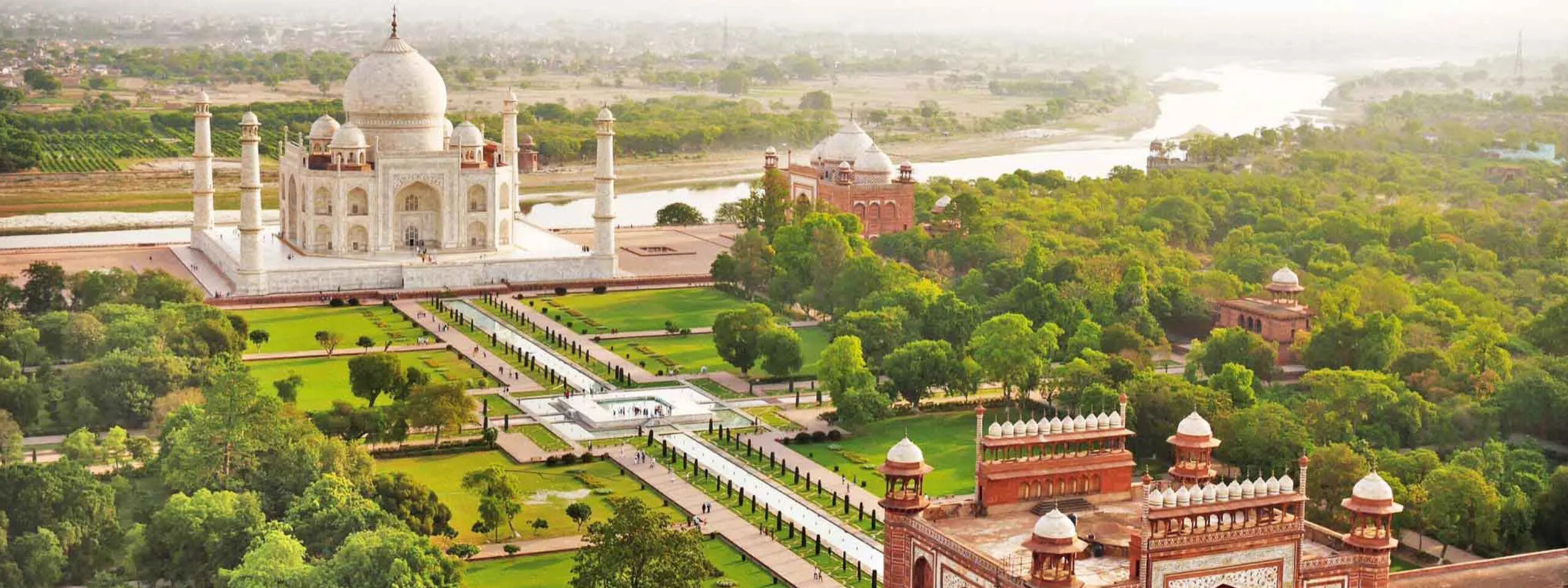
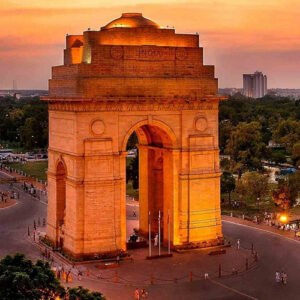
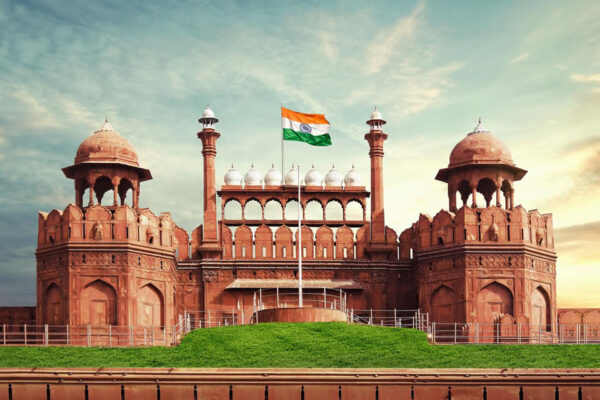
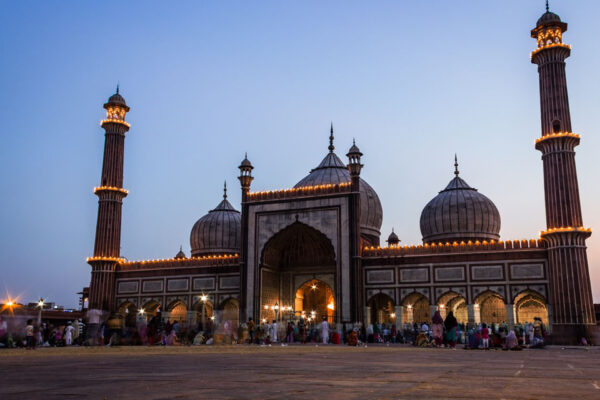
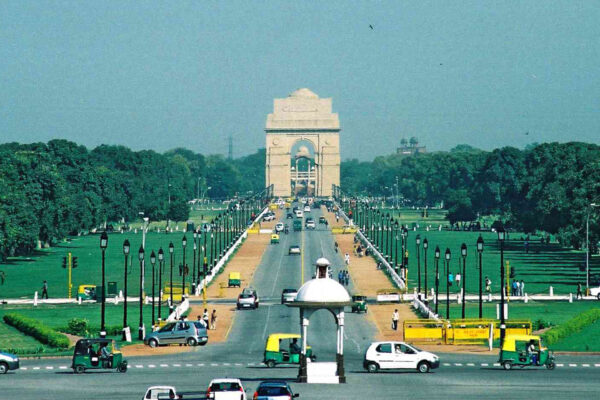
Delhi serves as the gateway to North India and represents a timeline of dynasties that shaped the subcontinent. The city blends Mughal architecture, colonial avenues, ancient ruins, and modern political institutions within one sprawling urban landscape. Old Delhi introduces travellers to Jama Masjid, Red Fort, Chandni Chowk markets, and narrow heritage lanes filled with street food aromas and centuries-old trade culture, while New Delhi showcases India Gate, Rashtrapati Bhavan, and wide ceremonial boulevards designed during British rule.
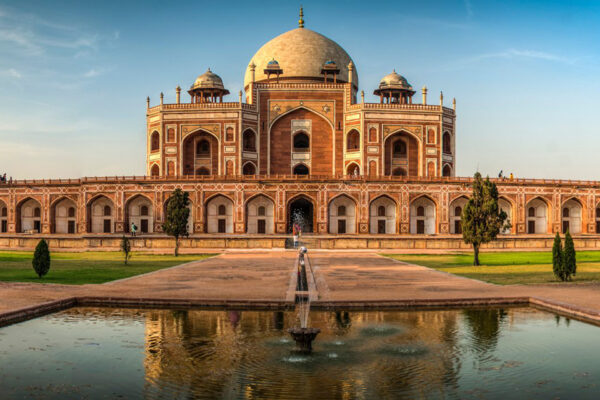
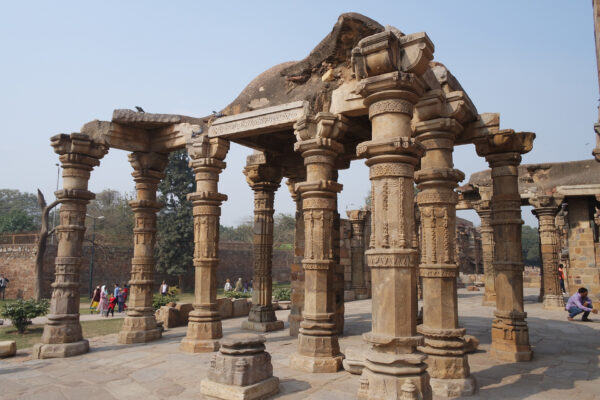
Qutub Minar, Humayun’s Tomb, and Lodhi Gardens reveal earlier Sultanate and Mughal influences, creating a layered narrative of conquest and culture. Delhi also functions as a culinary capital, offering everything from heritage Mughlai dishes to contemporary fine dining. Our itineraries balance heritage walks, monument visits, shopping districts, and leisure evenings to prevent travel fatigue while ensuring comprehensive exploration.
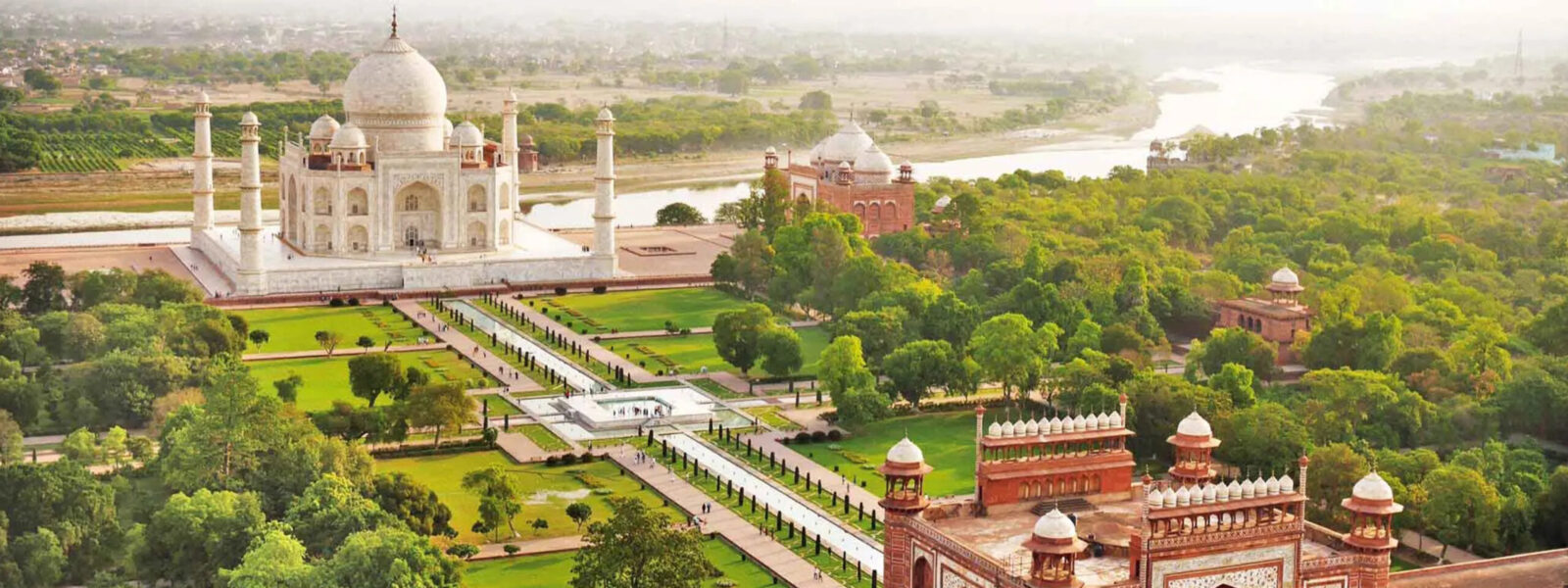
Agra is synonymous with the Taj Mahal, one of the most recognised monuments in the world. Visiting at sunrise allows travellers to witness the marble structure shift in tone under changing light, revealing intricate inlay work and architectural symmetry. However, Agra extends beyond the Taj. Agra Fort narrates Mughal royal life through grand halls, courtyards, and river-facing balconies, while Mehtab Bagh offers rear views of the monument across the Yamuna River.
Fatehpur Sikri, located nearby, reflects Akbar’s visionary but short-lived capital city, with red sandstone palaces and courtyards preserved in remarkable condition. Agra fits seamlessly within the Golden Triangle route, offering high historical impact within a manageable timeframe.
Jaipur embodies Rajput grandeur with its pink-hued facades, hilltop forts, and palace complexes. Amber Fort rises above Maota Lake, offering elephant or jeep ascents through massive gateways into mirrored halls and royal chambers. City Palace blends Mughal and Rajput architecture, while Hawa Mahal’s intricate façade stands as a symbol of Jaipur’s identity.
Local bazaars sell gemstones, textiles, block prints, and handicrafts, creating immersive shopping experiences. Jaipur’s heritage hotels transform former palaces into luxury stays, enhancing the regal atmosphere. Cultural evenings featuring folk dance and traditional cuisine complete the royal narrative.
Udaipur is often called the City of Lakes, offering tranquil water reflections against palace backdrops. Lake Pichola boat rides reveal City Palace, Jag Mandir, and white marble ghats that glow at sunset. The city’s relatively relaxed pace makes it ideal for romantic stays and heritage exploration without overwhelming crowds.
Hills surrounding the city create panoramic viewpoints, while narrow lanes offer artisan workshops and boutique cafes. Udaipur balances architecture with natural beauty, making it one of Rajasthan’s most visually harmonious destinations.
Jodhpur’s Mehrangarh Fort dominates the skyline, standing as one of India’s most formidable hill forts. The fort’s museum houses royal artifacts, weapons, and textiles, while terraces provide expansive desert views. Below the fort, blue-painted houses create a distinctive urban character.
Jodhpur also serves as a gateway to desert excursions and rural heritage experiences. Boutique heritage hotels within restored mansions add intimate luxury to the stay.
Jaisalmer rises from the Thar Desert like a golden mirage. The living fort contains homes, temples, and shops within its sandstone walls, creating a unique inhabited heritage zone. Camel safaris across Sam Sand Dunes introduce travellers to desert sunsets, cultural performances, and starlit evenings.
The Patwon Ki Haveli and intricately carved mansions reveal merchant wealth from historic trade routes. Jaisalmer offers dramatic contrast to urban centres through its open desert landscapes.
Varanasi is one of the world’s oldest continuously inhabited cities and a profound spiritual destination along the Ganges River. Dawn boat rides reveal priests performing rituals, devotees bathing in sacred waters, and temples lining the ghats. The evening Ganga Aarti ceremony transforms the riverfront into a synchronised display of lamps, chants, and devotion.
Narrow lanes house silk weavers, sweet shops, and centuries-old shrines, creating immersive cultural encounters. Varanasi is not merely sightseeing; it is a sensory and spiritual experience.
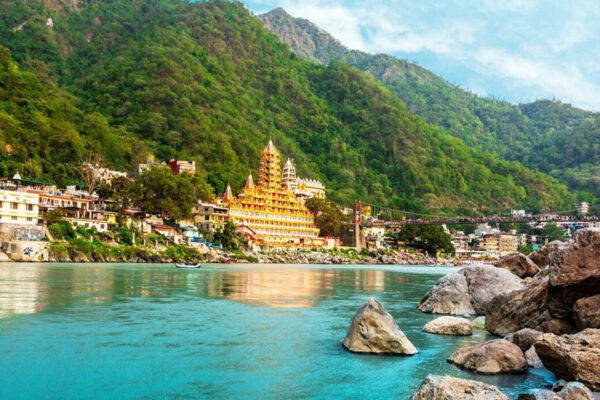
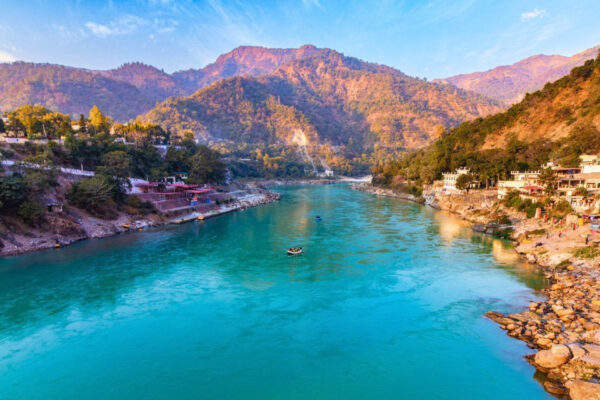
Located along the Ganges as it descends from the Himalayas, Rishikesh and Haridwar combine spirituality with adventure. Rishikesh is known globally for yoga retreats, meditation centres, and river rafting, while Haridwar’s Har Ki Pauri ghat hosts grand evening aarti ceremonies.
This region serves as both spiritual retreat and adventure base.
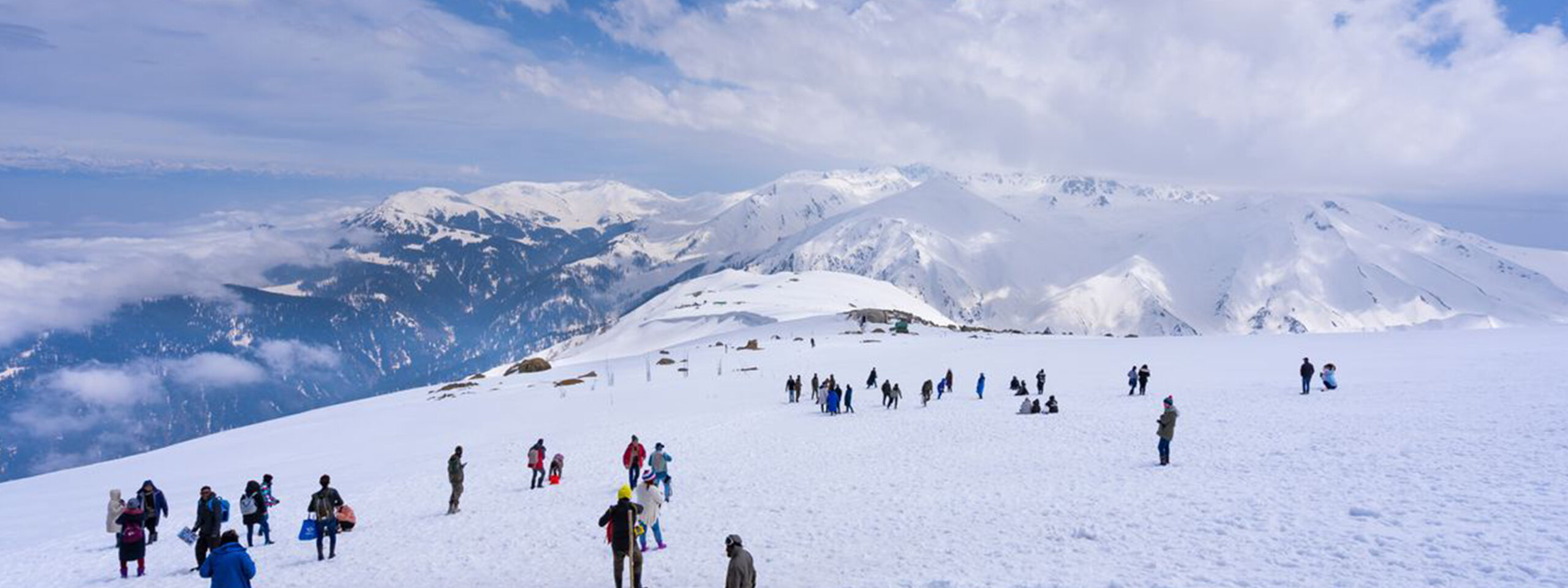
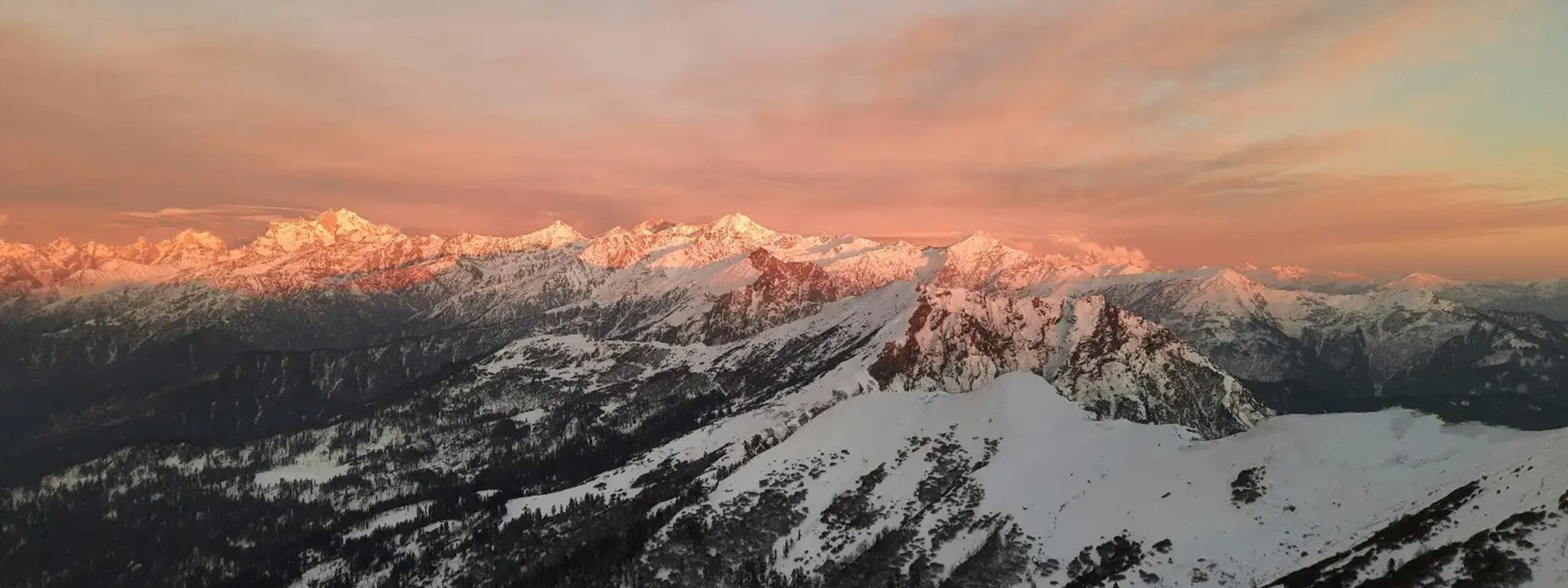
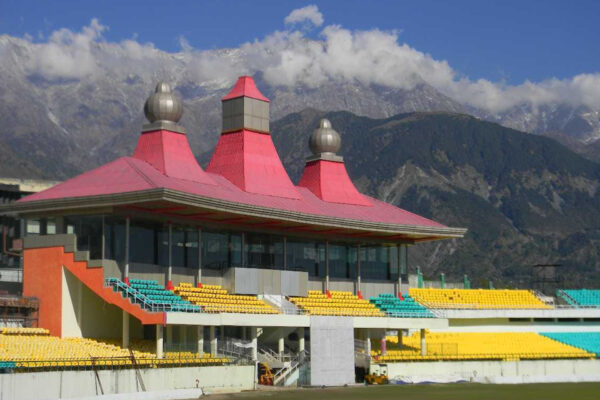
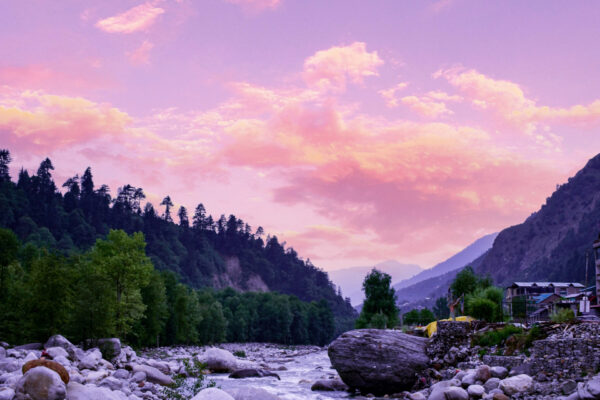
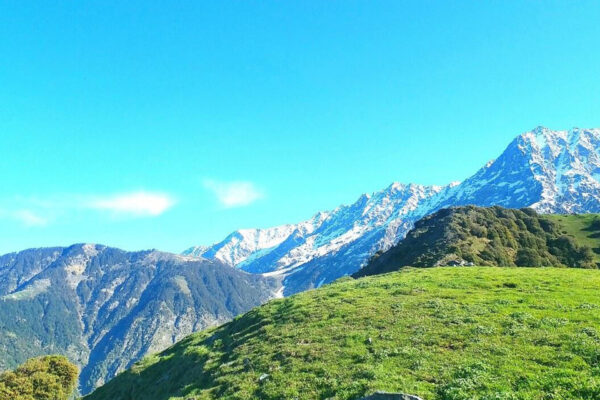
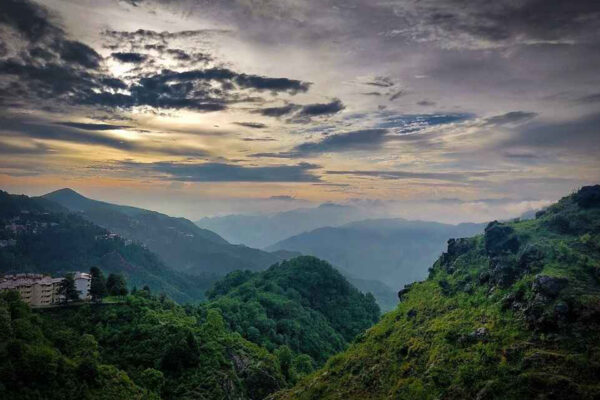
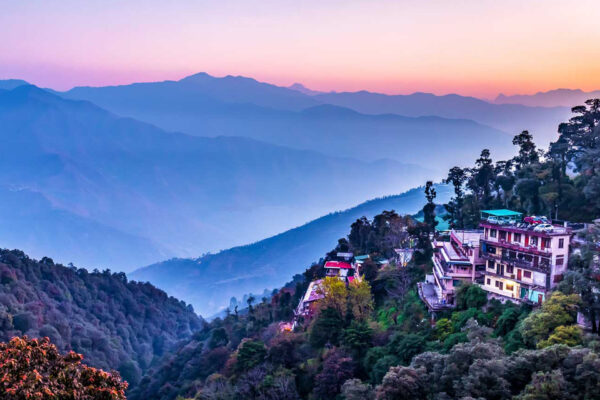
Shimla retains colonial architecture and pine-covered hills, offering pleasant climate and scenic promenades. Manali extends deeper into the Himalayas, surrounded by snow peaks, river valleys, and adventure routes toward Rohtang Pass.
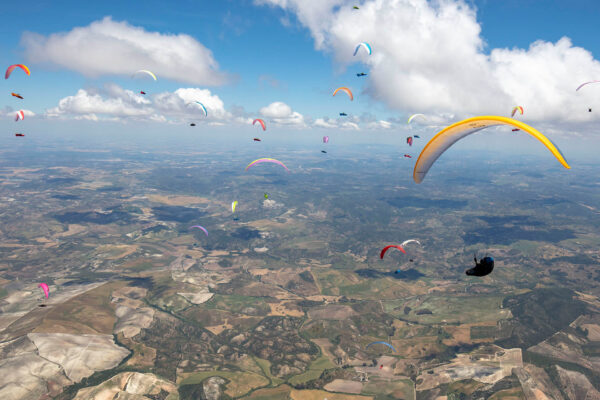
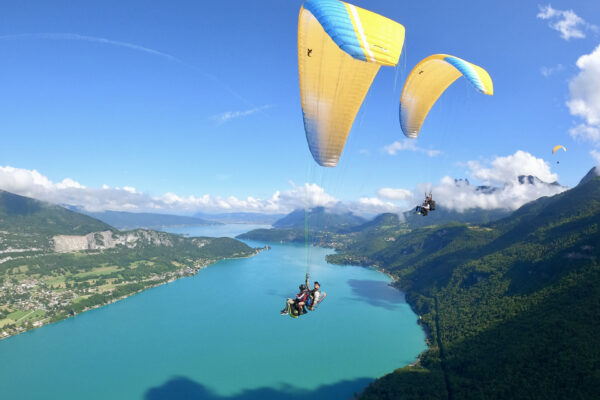
Activities include paragliding, trekking, skiing (seasonal), and scenic drives. These hill stations provide refreshing contrast to plains cities.
Ladakh presents dramatic barren mountains, turquoise lakes like Pangong Tso, and Buddhist monasteries perched on cliffs. High-altitude passes such as Khardung La create thrilling road journeys, while monasteries like Hemis and Thiksey introduce Tibetan cultural influences.
Ladakh requires acclimatisation planning, and itineraries are structured to allow gradual altitude adjustment for safety and comfort.
The Golden Temple in Amritsar offers serene spiritual ambience with its gold-plated sanctum surrounded by a reflective pool. Community kitchens serving langar demonstrate hospitality on a massive scale. The Wagah Border ceremony adds patriotic energy to the visit.
Amritsar combines devotion, history, and cultural pride within a compact itinerary.
Khajuraho’s UNESCO-listed temples are renowned for intricate carvings depicting mythology and daily life. Built by the Chandela dynasty, these temples reflect artistic mastery and symbolic storytelling.
Sound-and-light shows and guided interpretation enrich understanding of architectural symbolism.
India’s oldest national park offers tiger safaris through grasslands and riverine forests. Jeep safaris and nature walks reveal diverse wildlife including elephants and deer.
Eco-lodges provide comfortable forest stays while maintaining conservation standards.
Pushkar’s sacred lake and Brahma Temple create a calm pilgrimage atmosphere, while Ajmer Sharif Dargah attracts devotees from across faiths. The Pushkar Camel Fair adds vibrant desert culture during festival season.
This pairing offers both spiritual and cultural immersion.
Birthplace of Lord Krishna, Mathura and Vrindavan host colourful temples and Holi celebrations that transform the towns into vibrant spiritual centres. Temple visits combined with cultural storytelling enrich the pilgrimage journey.
Festive travel during Holi is carefully managed due to high crowds.
Ranthambore National Park blends wildlife safari with historic fort ruins rising within forest landscapes. Tiger sightings are a major draw, and the fort adds dramatic backdrop to safari routes.
Luxury jungle lodges enhance comfort without compromising authenticity.
The Delhi–Agra–Jaipur circuit remains North India’s most popular travel route, offering Mughal architecture, Rajput forts, and vibrant markets within 5–6 days.
| Route | Duration | Highlights |
|---|---|---|
| Delhi – Agra – Jaipur | 5–6 Days | Taj Mahal, Amber Fort, Red Fort |
This route works as an introduction before expanding into Rajasthan or Himalayas.
Rajasthan’s desert camps offer folk music, Kalbeliya dance, and traditional cuisine under starlit skies. Camel rides across dunes and sunset photography sessions create immersive memories.
Desert stays are structured for comfort with attached facilities and cultural programming.
North Indian cuisine ranges from Mughlai gravies and tandoor breads to Punjabi curries and Rajasthani thalis. Street food culture in Delhi and Amritsar adds dynamic flavour experiences.
Food tours are integrated within city explorations.
North India’s scale allows combination circuits linking heritage, desert, hills, wildlife, and pilgrimage. Travel pacing is optimised through private transfers and strategic overnight stays to reduce exhaustion.
| Circuit | Duration | Focus |
|---|---|---|
| Golden Triangle + Udaipur | 8 Days | Royal Heritage |
| Delhi – Rishikesh – Shimla – Manali | 8–10 Days | Himalayan Escape |
| Varanasi – Prayagraj – Ayodhya | 6 Days | Spiritual Circuit |
With Bigboy Holidays, North India becomes a seamless exploration of imperial capitals, sacred rivers, desert kingdoms, Himalayan panoramas, and living traditions, delivered through strategic routing, premium hospitality, and immersive cultural experiences designed for meaningful and comfortable travel.
Duration
The world's best experiences curated just for you
Have more questions? Contact us.